
$29 New Patient Special
INCLUDES: Exam, X-Rays, Consultation, and Return appointment for Report of Findings
A Different Approach to Managing Joint Pain
Pain management does not always have to begin with medication or cortisone. At Innovative Medical Center, our approach focuses on conservative, non-surgical options designed around the condition affecting your movement and function.
For appropriate patients, this may include natural, non-pharmaceutical medical injections intended to support the joint and complement the body’s own healing processes. We do not use cortisone injections or prescription pain medication as part of this service. Instead, your treatment recommendations are based on your examination findings, health history, severity of joint changes, and individual goals.
Medical Injections as Part of an Integrated Care Plan
An injection may address one part of a joint problem, but pain and limited mobility can also be influenced by strength, stability, movement patterns, and the way the joint is being loaded during everyday activity.
That is why medical injections at IMC may be used on their own or incorporated into a broader plan with functional rehabilitation, chiropractic care, or other conservative services when appropriate. The goal is not simply to perform an injection. It is to determine what combination of care gives the patient the most appropriate path toward improved comfort, movement, and function.

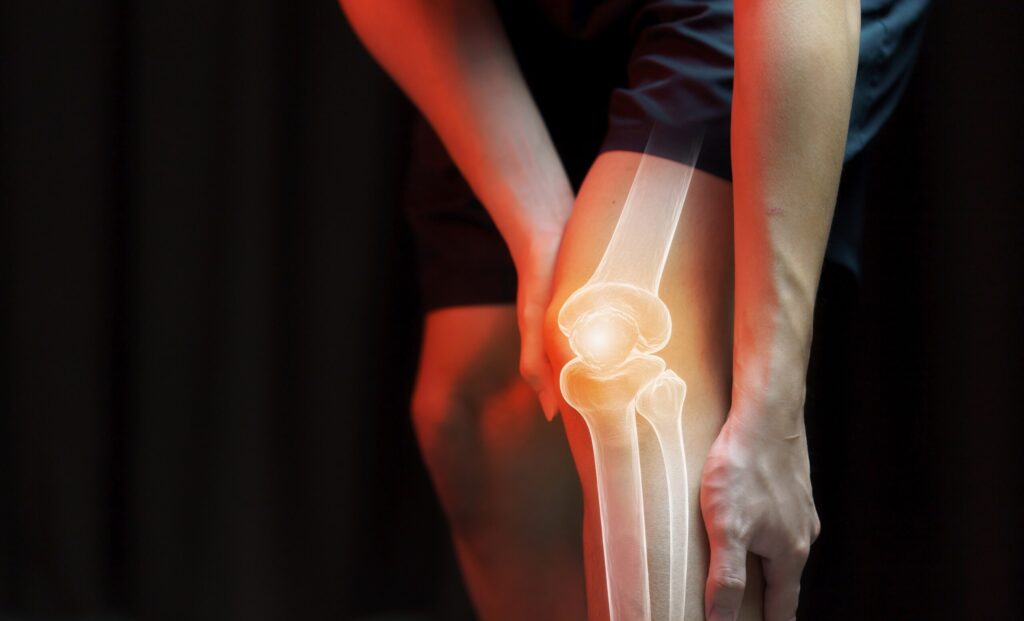
Joint Pain & Conditions We Evaluate
Medical injections may be considered when inflammation, degeneration, or other joint-related changes are contributing to persistent pain and reduced function. The appropriate treatment depends on the joint involved, the underlying condition, examination findings, and the severity of your symptoms.
Depending on your evaluation, our pain management and medical injection options may be considered for:
- Knee Pain – including chronic joint pain, stiffness, and certain degenerative knee conditions
- Arthritis & Joint Pain – care for joints affected by osteoarthritis, inflammation, stiffness, or reduced mobility
- Hip Pain – certain joint-related causes of persistent hip discomfort and limited movement
- Shoulder Pain – pain, stiffness, and functional limitations involving the shoulder joint
- Sports Injuries – certain joint and soft-tissue concerns associated with repetitive activity or injury
- Back Pain – evaluation to determine whether conservative pain-management options or another IMC service may be more appropriate
Frequently Asked Questions About Pain Management & Medical Injections
What types of pain management does IMC offer?
Innovative Medical Center focuses on conservative, non-surgical pain-management options rather than prescription pain medication.
Depending on your condition, care may include natural medical injections, functional rehabilitation, chiropractic care, spinal decompression, or other services available within our integrated practice.
Your evaluation helps determine which approach may be appropriate for you.
What are natural medical injections?
Natural medical injections are non-pharmaceutical injection options used for certain joint and musculoskeletal concerns.
The specific type of injection recommended depends on your condition, the joint being treated, your examination findings, and your health history. Our team will explain exactly what is being recommended, what the injection contains, and the intended purpose of treatment before you decide whether to proceed.
Do you use cortisone injections?
No. Innovative Medical Center does not use cortisone injections as part of this service.
Our medical injection options are focused on non-pharmaceutical alternatives for appropriately selected patients.
Do you prescribe pain medication?
No. This pain-management service is not based on prescription pain medication.
Our focus is on conservative and non-surgical approaches that may address joint function, movement, and other factors associated with your pain.
What joints can be treated with medical injections?
Injection options may be considered for several joints depending on the patient and condition being treated, including the knee, shoulder, hip, ankle, elbow, wrist, and certain smaller joints.
An evaluation is required to determine whether an injection is appropriate for the specific joint and condition.
Can medical injections help with knee arthritis?
Certain non-pharmaceutical joint injections may be considered for some patients with knee osteoarthritis or degenerative joint pain.
Whether an injection is appropriate depends on the severity of the arthritis, your symptoms, examination findings, previous treatment, and overall health. Not every patient with knee arthritis is a candidate for the same treatment.
Can injections help bone-on-bone knee pain?
Some patients with advanced knee degeneration may still be candidates for conservative treatment, but an injection cannot restore a severely damaged joint to its original condition.
Your evaluation and imaging can help determine the severity of the joint changes and whether non-surgical care is worth considering. If surgery is clearly the more appropriate option, our team believes patients should know that.
Are medical injections the same as regenerative medicine?
Not necessarily.
Medical injections is a broad term that can include different types of injectable treatments. Regenerative medicine refers more specifically to therapies intended to support biological repair or regenerative processes.
If a regenerative option such as PRP is being considered, our team will explain how that treatment differs from the other injection options available at IMC.
Do joint injections hurt?
Most injections involve brief discomfort from the needle and the injection itself. Individual experiences vary depending on the joint being treated, the type of injection, and personal sensitivity.
Our team will explain what to expect before the procedure and answer any questions you have about comfort or aftercare.
How long does it take to notice results from a joint injection?
There is no single timeline that applies to every patient.
Response depends on the type of injection, the condition being treated, the severity of the joint problem, and the individual patient. Our team will explain realistic expectations for the specific treatment being recommended rather than promising a particular result or timeline.
How many injections will I need?
The number and frequency of injections depend on the specific therapy being used and your individual condition.
Before treatment begins, our team will explain whether a series is recommended, how treatments are typically spaced, and how your response will be evaluated.
Can medical injections be combined with functional rehabilitation?
Yes. For some patients, combining an injection with functional rehabilitation may make sense.
An injection may address the joint itself while rehabilitation works on strength, stability, mobility, and movement. The two approaches have different purposes and may complement one another when clinically appropriate.
Can medical injections help me avoid surgery?
For some patients, conservative treatment may provide an opportunity to manage symptoms and function without immediately moving to surgery. However, injections cannot eliminate the need for surgery in every condition.
The purpose of your evaluation is to determine whether a non-surgical approach is reasonable for your particular situation. If the condition is too advanced or another type of care is more appropriate, our team will discuss that with you.
Book Your Consultation
Personalized Care Plans
Recommendations based on your condition, goals, and evaluation.
Multiple Services Under One Roof
Integrated medical, chiropractic, rehabilitation, and advanced treatment options.
Clear Answers, No Pressure
Understand your options, recommendations, and costs before beginning care.
Focused on Better Function
Care designed to support mobility, comfort, and quality of life.