
$29 New Patient Special
INCLUDES: Exam, X-Rays, Consultation, and Return appointment for Report of Findings
A Gentle, Non-Surgical Approach to the Spine
Spinal decompression is a non-invasive therapy that uses controlled mechanical traction to gently stretch and relax the spine. At Innovative Medical Center, it may be considered for certain patients whose back or neck symptoms involve discs, joints, or irritated nerves. Treatment begins with an evaluation because back pain can have many different causes, and spinal decompression is not appropriate for every condition or every patient.
How Spinal Decompression Works
During treatment, a specialized decompression table applies gradual, controlled traction followed by periods of relaxation. The settings are adjusted based on the area being treated and your individual needs. This controlled process is designed to change the mechanical forces acting on the spine without surgery, injections, or medication. At IMC, spinal decompression may be used on its own or coordinated with functional rehabilitation, chiropractic care, or other services when your evaluation indicates a broader approach may be beneficial.

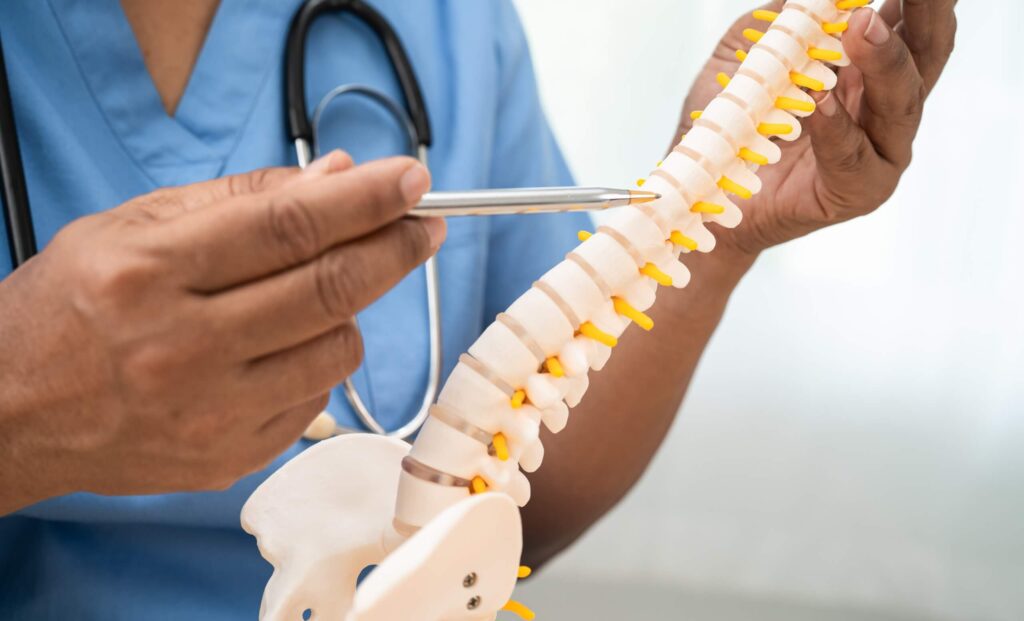
Spinal Decompression for Disc & Nerve-Related Conditions
Spinal decompression is most often considered when back or neck symptoms may be associated with a disc or spinal nerve. Your symptoms, examination findings, health history, and available imaging help our team determine whether decompression makes sense for you.
Depending on your evaluation, spinal decompression may be considered for:
- Back Pain – particularly when symptoms may involve the discs or nerves of the lower spine
- Sciatica – radiating pain, numbness, tingling, or other symptoms involving the sciatic nerve
- Pinched Nerves – symptoms associated with irritation or compression of a spinal nerve
- Bulging or Herniated Discs – disc changes that may contribute to back, neck, or radiating symptoms
- Degenerative Disc Disease – changes within the spinal discs that may be associated with pain, stiffness, or reduced function
- Neck Pain – certain cervical disc or nerve-related conditions may be evaluated for decompression
Frequently Asked Questions About Spinal Decompression
What is non-surgical spinal decompression?
Non-surgical spinal decompression is a form of motorized traction that applies controlled stretching and relaxation to the spine. It is used as a conservative treatment option for certain spinal, disc, and nerve-related conditions.
Unlike surgical decompression, it does not involve an incision or removal of spinal tissue.
How does spinal decompression work?
A specialized table applies controlled traction to a targeted area of the spine. Treatment typically alternates between periods of gentle stretching and relaxation.
The amount of traction is adjusted according to the patient and the area being treated. The goal is to reduce mechanical stress on certain spinal structures and provide a conservative option for appropriately selected patients.
What conditions can spinal decompression help with?
Spinal decompression may be considered for certain patients with conditions such as bulging or herniated discs, degenerative disc changes, sciatica, pinched nerves, and some types of disc-related back or neck pain.
An evaluation is necessary because these symptoms can have many causes, and decompression is not appropriate for every spinal condition.
Can spinal decompression help a bulging or herniated disc?
Spinal decompression may be considered as a conservative treatment option for some patients with bulging or herniated discs.
Whether it is appropriate depends on factors such as the location and severity of the disc problem, your symptoms, examination findings, health history, and any available imaging.
Can spinal decompression help with sciatica?
It may be appropriate for certain cases of sciatica when symptoms are associated with a spinal condition that is irritating or compressing a nerve.
Sciatica can have different causes, so the first step is determining what may be producing the symptoms rather than assuming decompression is the appropriate treatment.
Can spinal decompression help a pinched nerve?
Spinal decompression may be considered when nerve symptoms are associated with certain disc or spinal conditions.
Symptoms such as radiating pain, numbness, or tingling can have multiple causes, so your provider will evaluate the source of the symptoms before recommending treatment.
Does spinal decompression hurt?
Spinal decompression is designed to apply traction gradually and in a controlled manner. Many patients describe the treatment as gentle, although individual experiences vary.
Tell your care team if you experience pain or significant discomfort during treatment so the settings and treatment plan can be evaluated.
Is spinal decompression safe?
Non-surgical spinal decompression avoids the risks associated with an invasive surgical procedure, but it is not appropriate for everyone.
Certain health conditions, injuries, previous surgeries, or other medical factors may affect whether treatment is appropriate. This is why IMC performs an evaluation before recommending decompression.
Does spinal decompression really work?
Results vary, and spinal decompression cannot guarantee relief for every patient. Research on motorized decompression is still developing. Some clinical studies have reported improvements in pain, mobility, and function in selected patient populations, while earlier systematic reviews noted limitations in the available evidence. At IMC, the decision to recommend decompression is based on whether the treatment makes sense for your individual condition rather than assuming it is the solution for every type of back pain.
How many spinal decompression treatments will I need?
There is no single treatment schedule that applies to every patient.
The recommended frequency and length of care depend on your condition, how long symptoms have been present, examination findings, treatment goals, and how you respond to care. Your team will explain the recommended plan and monitor your progress throughout treatment.
Do I need an MRI or X-rays before spinal decompression?
Not every patient automatically needs new imaging.
Your provider will determine whether imaging is appropriate based on your symptoms, health history, examination, and any existing diagnostic information. If you already have recent X-rays, MRI results, or other relevant records, bring them to your appointment for review.
Can spinal decompression be combined with chiropractic care or rehabilitation?
Yes, when clinically appropriate.
Spinal decompression addresses different aspects of care than chiropractic treatment or functional rehabilitation. For some patients, decompression may be incorporated into a broader plan that also works on joint mobility, strength, stability, movement, or function.
Not every patient needs multiple services, so recommendations are based on your individual evaluation.
What if a doctor has already recommended back surgery?
You can still contact IMC for an evaluation to determine whether any conservative options may be appropriate, but spinal decompression should not be presented as a replacement for medically necessary surgery.
Some spinal conditions require surgical evaluation or intervention. Our team can review your history and available imaging and discuss whether the services offered at IMC are appropriate for your situation.
Book Your Consultation
Personalized Care Plans
Recommendations based on your condition, goals, and evaluation.
Multiple Services Under One Roof
Integrated medical, chiropractic, rehabilitation, and advanced treatment options.
Clear Answers, No Pressure
Understand your options, recommendations, and costs before beginning care.
Focused on Better Function
Care designed to support mobility, comfort, and quality of life.