
$29 New Patient Special
INCLUDES: Exam, X-Rays, Consultation, and Return appointment for Report of Findings
What Regenerative Medicine Means at IMC
Regenerative medicine is a broad area of healthcare that includes biological treatment approaches used in certain musculoskeletal and joint conditions. At Innovative Medical Center, regenerative care begins with an evaluation of the problem itself, including your symptoms, health history, examination findings, previous treatment, and available imaging.
One of the regenerative options available at IMC is platelet-rich plasma, or PRP. PRP is prepared from your own blood and contains a concentrated amount of platelets within plasma. Because evidence, candidacy, and expected outcomes differ by condition, regenerative treatments are not presented as a universal solution or a guaranteed way to restore damaged tissue.
How PRP Therapy Works
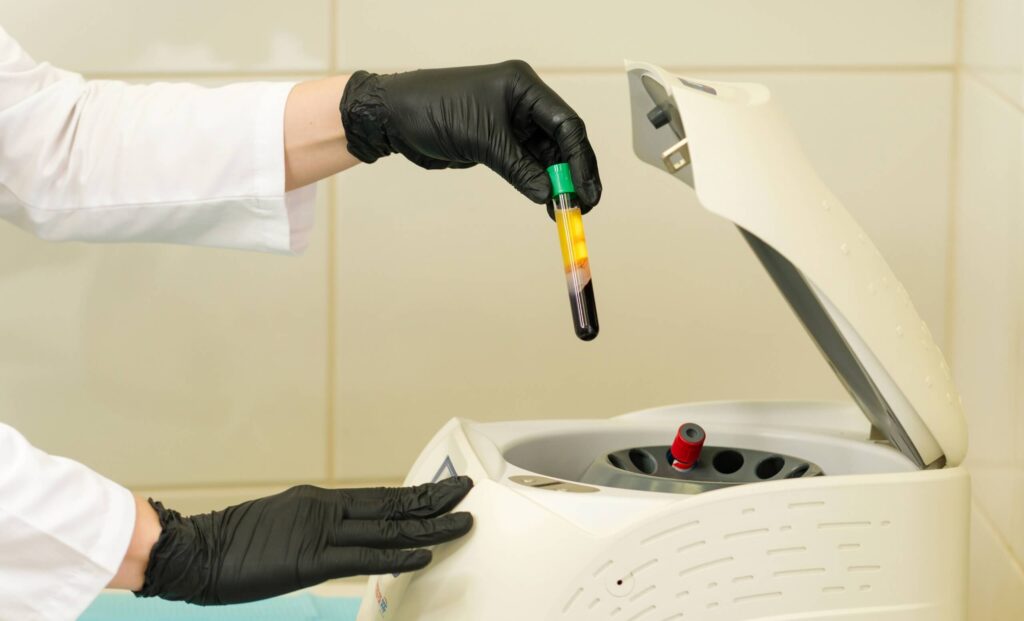
PRP begins with a blood draw. The sample is placed in a centrifuge to separate and concentrate the platelet-containing portion of the blood. The resulting platelet-rich plasma is then injected into the targeted treatment area by a medical provider.
Platelets contain proteins and growth factors involved in the body’s normal response to injury. The purpose of PRP treatment is to place a concentrated platelet preparation at a specific musculoskeletal site. Research into PRP continues to evolve, and results are not the same for every condition or every patient. Your provider will discuss why PRP is being considered, what the available evidence suggests for your particular condition, and what realistic expectations should look like before treatment.

Regenerative Medicine for Joint & Musculoskeletal Concerns
Regenerative treatment is most appropriately considered after determining what is causing your symptoms and how advanced the underlying condition may be. A treatment that is reasonable for an early or moderate joint problem may not be appropriate for a severely damaged joint, and some conditions are better addressed through rehabilitation, another conservative therapy, or surgical evaluation.
Depending on your evaluation, regenerative medicine may be considered in connection with:
- Knee Pain – certain knee and joint conditions may be evaluated to determine whether PRP is a reasonable treatment option
- Arthritis & Joint Pain – some patients with osteoarthritis or degenerative joint symptoms may be candidates for biological treatment options
- Shoulder Pain – certain tendon, soft-tissue, or joint-related shoulder concerns may be evaluated for PRP
- Hip Pain – persistent hip or joint-related symptoms require evaluation to determine the source of pain and appropriate treatment options
- Sports Injuries – PRP has been studied for certain tendon, ligament, and other musculoskeletal injuries
- Joint Pain – persistent pain, stiffness, or reduced function may warrant evaluation to determine whether regenerative medicine or another approach is appropriate
Frequently Asked Questions About Regenerative Medicine
What is regenerative medicine?
Regenerative medicine is a broad term for medical approaches that use biological materials or processes in an effort to support the body’s response to injury or disease.
At IMC, regenerative treatment recommendations are based on the specific condition being treated rather than assuming that a regenerative therapy is appropriate for every type of pain.
What is platelet-rich plasma (PRP)?
Platelet-rich plasma, commonly called PRP, is prepared from a sample of your own blood.
The blood is processed in a centrifuge to create a plasma preparation containing a higher concentration of platelets. That preparation can then be injected into a targeted musculoskeletal area when clinically appropriate.
Is PRP the same as stem cell therapy?
No. PRP is not stem cell therapy.
PRP is derived from a patient’s own blood and contains concentrated platelets within plasma. Stem cell and other cell- or tissue-based products are different types of biological products and are subject to different regulatory considerations.
What conditions is PRP used for?
PRP has been studied and used in orthopedics for a variety of musculoskeletal conditions, including certain tendon injuries and some cases of knee osteoarthritis.
The quality and strength of the evidence varies depending on the condition being treated. A consultation is necessary to determine whether there is a reasonable basis for considering PRP in your particular case.
Can PRP help with knee arthritis?
PRP may be considered for some patients with knee osteoarthritis, particularly depending on the severity of the condition and the patient’s individual circumstances.
Research has reported benefits for some patients, but results are variable and PRP should not be presented as a cure for arthritis. Your examination and imaging can help determine whether it is a reasonable option to discuss.
Does PRP regrow cartilage?
PRP should not be expected or advertised as a proven way to regrow lost cartilage.
Research continues to examine how PRP may affect symptoms and the biological environment within certain joints, but that is different from demonstrating that the treatment reliably restores damaged cartilage to its original condition.
At IMC, we focus on realistic treatment goals rather than promising tissue regeneration that cannot be guaranteed.
Can regenerative medicine reverse arthritis?
No treatment should be expected to reverse established arthritis in every patient.
Regenerative options such as PRP may be considered for symptom and function-related goals in appropriately selected patients, but they do not eliminate the underlying diagnosis or guarantee restoration of a damaged joint.
Can PRP help me avoid joint replacement surgery?
PRP should not be presented as a guaranteed alternative to joint replacement.
Some patients may be appropriate candidates for conservative treatment before surgery is necessary or desired, while others have joint damage that requires orthopedic or surgical evaluation. Your condition, imaging, symptoms, and functional limitations help determine what options are reasonable to consider.
Is PRP FDA approved?
PRP has a different regulatory status from many cell- and tissue-based products commonly marketed under the term “regenerative medicine.” PRP made from a patient’s blood and returned to that patient is considered a blood product rather than a human cell or tissue product under the FDA framework.
That does not mean every PRP preparation, device, procedure, or claim is automatically FDA approved for every medical condition. Our team can explain the specific treatment being recommended and answer questions about the equipment and procedure used at IMC.
How many PRP injections will I need?
The recommended number of treatments varies according to the condition, treatment area, clinical findings, and response to care.
If PRP is recommended, your provider will explain the proposed treatment schedule and how progress will be evaluated rather than promising a predetermined number of injections for every patient.
Who is a good candidate for regenerative medicine?
Candidacy depends on the condition being treated, its severity, your health history, examination findings, previous treatments, and your individual goals.
Regenerative medicine is not appropriate for everyone. An evaluation helps determine whether PRP or another treatment option makes the most sense for your situation.
What if I have bone-on-bone arthritis?
Advanced joint degeneration does not automatically mean that every regenerative treatment is appropriate.
If imaging shows significant joint damage, our team will review those findings with you and discuss whether a conservative option is reasonable to consider. In some cases, orthopedic or surgical evaluation may be the more appropriate next step.
Is regenerative medicine covered by insurance?
Insurance coverage for regenerative treatments can vary, and many PRP treatments are not covered by health insurance.
Before beginning care, our team will review the recommended treatment and associated costs so you can make an informed decision.
Book Your Consultation
Personalized Care Plans
Recommendations based on your condition, goals, and evaluation.
Multiple Services Under One Roof
Integrated medical, chiropractic, rehabilitation, and advanced treatment options.
Clear Answers, No Pressure
Understand your options, recommendations, and costs before beginning care.
Focused on Better Function
Care designed to support mobility, comfort, and quality of life.