
Sciatica Is a Symptom, Not a Single Diagnosis
Sciatica describes pain, numbness, tingling, weakness, or other symptoms that occur when the sciatic nerve or the nerve roots that contribute to it become irritated or compressed. Symptoms often begin in the lower back or buttock and travel into the hip, leg, calf, foot, or toes. Sciatica commonly affects one side of the body, although the location and intensity of symptoms can vary significantly from person to person.
Because sciatica is a symptom of an underlying problem rather than a diagnosis by itself, identifying what is irritating the nerve is an important part of determining which treatment options may be appropriate.
Understanding What Is Causing the Nerve Irritation
Several spinal and musculoskeletal conditions can produce sciatic nerve symptoms. Common causes include a herniated disc, spinal stenosis, spondylolisthesis, and other conditions that place pressure on or irritate the nerve.
At Innovative Medical Center, evaluation begins with your symptoms, health history, previous treatment, and an appropriate physical examination. Depending on your findings, your provider may assess strength, sensation, reflexes, range of motion, movement, and how certain positions affect your symptoms. Imaging may also be considered when clinically appropriate, particularly when symptoms are severe, persistent, or the underlying cause needs further evaluation.

Sciatica & Related Conditions We Evaluate
The same shooting or burning pain down the leg can originate from different problems, so treatment should be based on what is actually contributing to the nerve irritation. One patient may have a disc-related problem, while another may have spinal narrowing or another source of nerve compression.
Depending on your symptoms and examination findings, you may also want to learn more about:
- Back Pain – lower back conditions commonly occur alongside sciatic nerve symptoms
- Bulging or Herniated Discs – disc material can irritate or place pressure on spinal nerve roots
- Spinal Stenosis – narrowing within the spine can contribute to radiating leg pain, numbness, tingling, or weakness
- Pinched Nerves – compressed or irritated spinal nerves can produce symptoms that travel away from the spine
- Degenerative Disc Disease – age- and wear-related changes in spinal discs may contribute to certain back and nerve symptoms
- Neuropathy – numbness, burning, and tingling in the legs or feet can have causes other than sciatica, making proper evaluation important
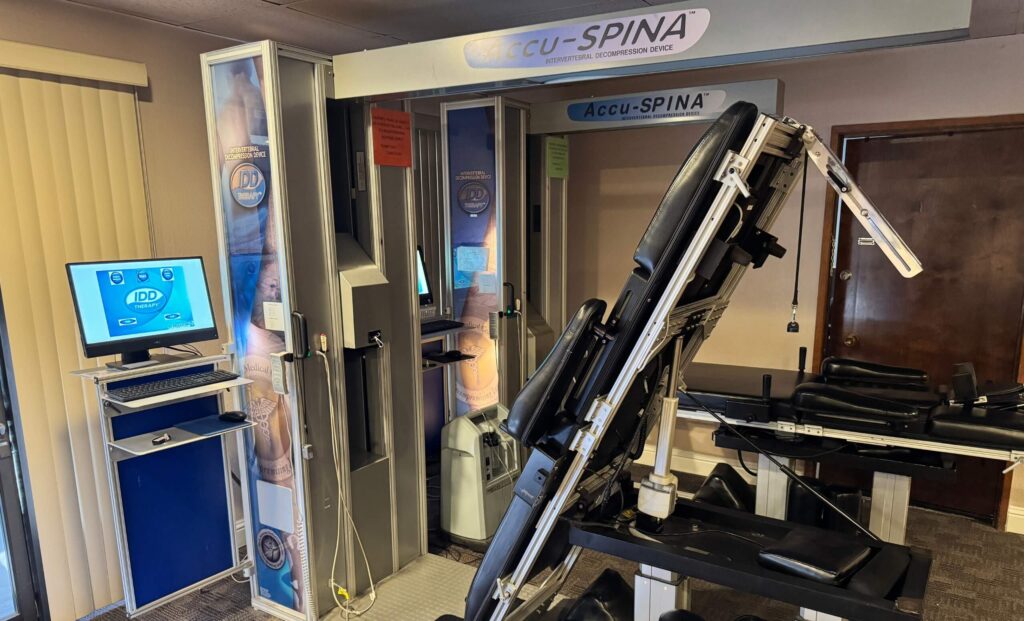
Depending on the cause of your symptoms, your care at IMC may involve Spinal Decompression, Chiropractic Care, Physiotherapy & Functional Rehabilitation, or another conservative approach when appropriate.
Frequently Asked Questions About Sciatica
What is sciatica?
Sciatica refers to symptoms caused by irritation, injury, or pressure involving the sciatic nerve or associated nerve roots.
Symptoms may include pain, burning, tingling, numbness, or weakness that travels from the lower back or buttock into the leg. Sciatica itself is a symptom of an underlying medical problem rather than a disease on its own.
What are the symptoms of sciatica?
The most common symptom of sciatica is pain that radiates from the lower back into the hip and down the back of the patient’s leg. Some patients experience this pain as a constant ache, while others notice a sharp, burning sensation. Patients may also notice numbness, tingling, or muscle weakness in the affected leg. Sciatica usually affects only one side of the body at a time, and it may worsen when the patient coughs or sneezes.
What causes sciatica?
Sciatica occurs when the sciatic nerve is pinched or irritated. The most common cause of this irritation is a bone spur on the vertebrae or a herniated disc in the spine. In very rare cases, sciatica may occur as a complication of diabetes or because of a spinal tumor.
How does Innovative Medical Center treat sciatica?
In most cases, the doctors at Innovative Medical Center will be able to diagnose sciatica based on the patient’s symptoms and the results of a physical exam. The doctor may also order X-rays to determine the cause of the pain. Once the doctors have confirmed the diagnosis of sciatica, they will create a comprehensive treatment plan designed to address the patient’s pain and reduce the chances of recurrence.
- Spinal manipulation – Spinal manipulation works by improving the alignment of the vertebrae, which may alleviate some of the pain associated with sciatica.
What does sciatica pain feel like?
Sciatica can feel very different from ordinary muscle soreness.
Some people describe a sharp or electric pain running through the buttock and leg. Others experience burning, aching, tingling, numbness, or weakness.
Symptoms may also change with position or activity. Sitting, standing, coughing, sneezing, or certain movements can worsen symptoms for some patients depending on the underlying cause.
Can sciatica cause numbness and tingling?
Yes. Because sciatica involves a nerve, symptoms are not limited to pain. Numbness, tingling, altered sensation, and weakness can also occur in the leg or foot.
Persistent or worsening numbness or weakness should be evaluated.
Is sciatica the same as neuropathy?
Yes. Sciatic nerve or nerve-root irritation can sometimes cause weakness in the affected leg or foot.
Weakness deserves particular attention because it can indicate more significant nerve involvement. Your provider may evaluate strength, reflexes, sensation, and other neurological findings during your examination.
When should sciatica symptoms be evaluated urgently?
No.
Both can cause burning, tingling, numbness, or pain, but they describe different problems.
Sciatica typically involves irritation of nerve roots associated with the sciatic nerve and often produces symptoms that travel from the lower back or buttock into one leg. Peripheral neuropathy involves damage or dysfunction of peripheral nerves and commonly affects the feet or hands.
Because symptoms can overlap, an evaluation can help determine what may be contributing to what you are experiencing.
Should I stay in bed if I have sciatica?
Extended bed rest is generally not recommended for uncomplicated sciatica. Gradual return to appropriate activity and exercise may be advised depending on the cause and severity of symptoms.
Your provider can help determine which activities are appropriate and which movements should temporarily be modified.
When should sciatica symptoms be evaluated urgently?
Seek prompt medical evaluation if sciatic symptoms are accompanied by significant or worsening weakness, severe numbness, or other concerning neurological changes.
Loss of bladder or bowel control with back or leg symptoms requires urgent medical attention. Significant trauma, severe pain that cannot be relieved, fever with back pain, or rapidly worsening neurological symptoms also warrant prompt evaluation.
Innovative Medical Center provides scheduled outpatient care and is not an emergency facility.
Can spinal decompression help with sciatica?
Non-surgical spinal decompression may be considered for certain patients when sciatic symptoms are associated with a disc-related or other spinal condition for which decompression is appropriate.
It is not a universal treatment for all sciatica. Your examination and available imaging help determine whether decompression is reasonable to consider.
Book Your Consultation
Personalized Care Plans
Recommendations based on your condition, goals, and evaluation.
Multiple Services Under One Roof
Integrated medical, chiropractic, rehabilitation, and advanced treatment options.
Clear Answers, No Pressure
Understand your options, recommendations, and costs before beginning care.
Focused on Better Function
Care designed to support mobility, comfort, and quality of life.